

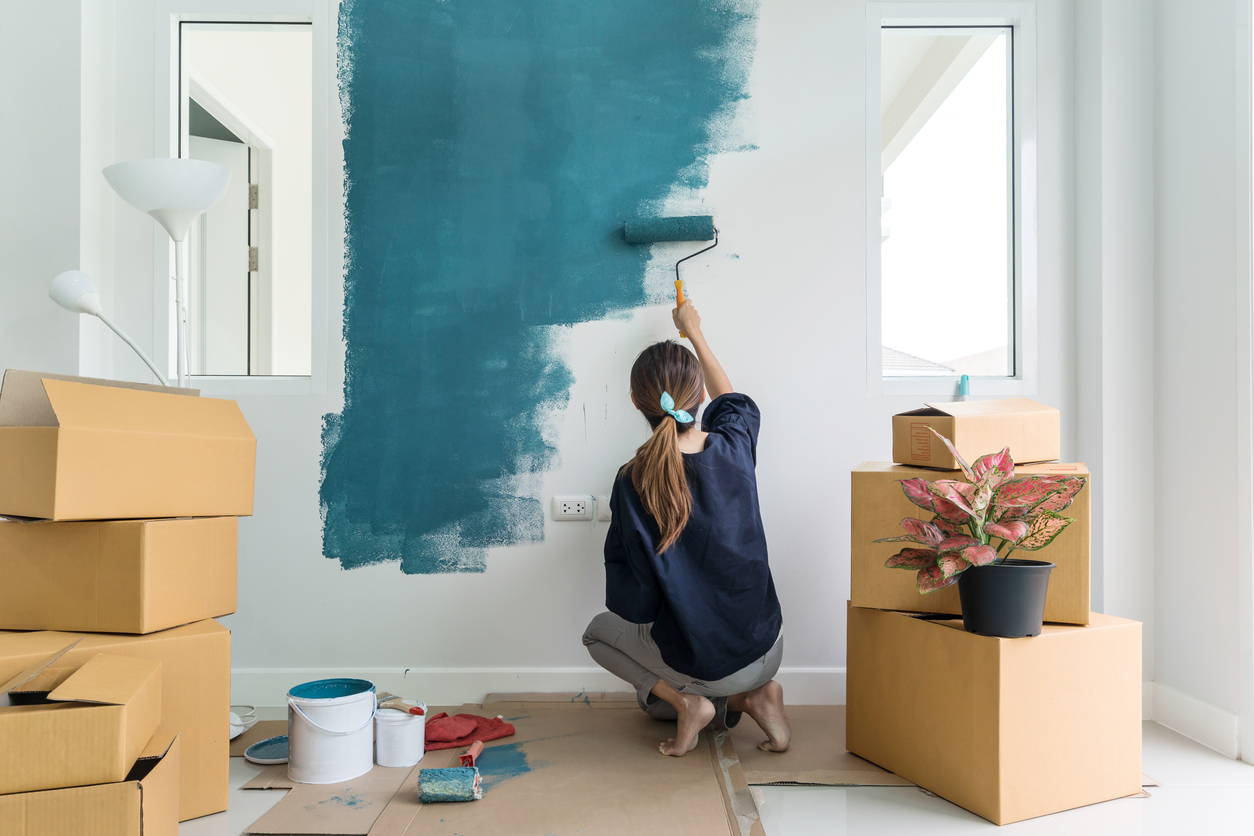
A fresh coat of paint can completely transform a room, but the process of getting there involves a lot more than choosing the right color. Interior painting can expose you to fumes and airborne particles that can affect your health if you don’t take proper precautions. Ventilation is one of the most important yet overlooked aspects of any indoor painting project, and getting it right makes the entire experience safer and more manageable.
Open Windows and Doors Before You Begin
Proper airflow is the hallmark of safe interior painting. Before opening the paint, open as many windows and doors as possible to create cross ventilation throughout the space. Positioning a fan near a window to push fumes outward rather than circulating them through the room adds another layer of protection. The goal is to keep fresh air moving through your home for the duration of the project, not just when the smell becomes noticeable.
Choose the Right Paint for Indoor Use
Not all paints are equally safe when it comes to indoor air quality. Paints are assigned a volatile organic compound (VOC) rating which measures the level of chemicals released into the air as the paint dries. Zero-VOC or low-VOC options are available and can significantly reduce the concentration of harmful fumes in your home.
Wear Proper Protective Equipment
Ventilating the room is important, but personal protection matters just as much. A respirator mask, such as an N95, provides far better protection than a standard dust mask. Wearing safety glasses protects your eyes from splatter, and disposable gloves keep paint and solvents off your skin. If you’re sanding between coats, a particle mask will help you avoid inhaling fine dust.
Take Breaks and Monitor How You Feel
Even with proper ventilation in place, spending extended periods in a freshly painted room can cause headaches, dizziness and nausea. Take frequent breaks, and step outside for fresh air while painting. You also need to pay close attention to how your body is responding. If symptoms develop, leave the area immediately and allow the space to air out before returning to painting. Anyone with respiratory conditions should avoid painted areas until fumes have fully disappeared.
Store and Dispose of Materials Safely
Paint cans, solvents and brushes soaked in paint thinner are flammable and require careful handling after you’ve finished painting. Seal all paint containers tightly, and store them in a well-ventilated area away from heat sources. Since they can spontaneously combust, rags saturated with oil-based products should never be left in a pile. Lay them out flat to dry outdoors before disposing of them, and follow your community’s guidelines for disposing of leftover paint and chemical materials.
Keeping your home properly ventilated during an interior painting project is one of the most important things you can do to protect your health and safety. From opening windows and selecting zero-VOC products to wearing the right gear, each precaution works with the others to create a safer environment inside your home. If you live in Pensacola, FL or a surrounding area and need interior painting services, make your first call to 1st Choice Coatings.